|
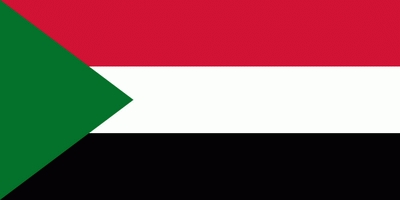
Sudan is a country in Northeast Africa, with Khartoum as its capital. Its national currency is the Sudanese pound (SDG). Agriculture, livestock, gold production and trade are important components of the economy. Public finances depend on domestic revenue, government financing arrangements and external debt obligations. Armed conflict has disrupted economic activity and financial infrastructure.
The Sudan bonds market has historically centred on Islamic government securities. Sudanese government bonds include Government Musharaka Certificates, known as Shahama, and Government Investment Certificates, called Sarh. Shahama certificates represent participation in government-owned investment portfolios. Sarh certificates use investment and leasing structures associated with assets and development projects. The central bank’s published framework describes one-year Shahama certificates and Sarh maturities of two to six years, with distributions governed by each instrument’s terms.
Quotes for a Sudan government bond or Islamic certificate relate to a specific security and trading date. The Khartoum Stock Exchange publishes daily and monthly trading bulletins, while authorised brokers handle purchase and sale orders. A certificate’s nominal value and expected profit distribution are distinct from its secondary-market price. The actual transaction price and brokerage charges determine the acquisition cost.
New issues of Sudanese bonds are governed by their subscription documentation, including the instrument’s structure, issue price, maturity, distribution arrangements and redemption provisions. Shahama certificates have historically followed quarterly issuance cycles, with a one-year investment term. Information on new Sudan bonds must therefore distinguish the subscription period from the security’s maturity and separate expected distributions from realised returns.
|


 債券スクリーナー