

 債券スクリーナー
 Excelアドイン
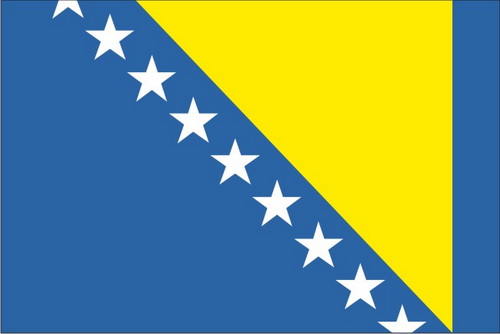
Bosnia and Herzegovina: 債券、インデックス、信用格付け
国名
ボスニア・ヘルツェゴビナ
信用格付
外貨建て
債券債務
1,654 百万 USD
最も包括的なデータベースを探索
1 000 000
債券
80 234
株
161 443
ETF&投資信託
70 000
インデックス
最も効率的な方法でポートフォリオを追跡
- 債券検索
- ウォッチリスト
- Excelアドイン

取引スケジュール 発行体マップ
クオート
/
/
/
個
個
個
- «
- 1
- ...
- {{ quotes.page - 2 }}
- {{ quotes.page - 1 }}
- {{ quotes.page }}
- {{ quotes.page + 1 }}
- {{ quotes.page + 2 }}
- ...
- {{ quotesLastPage }}
- »
情報プロバイダーから提供される引用符は参考値となります
プロフィール
|
Bosnia has a transitional economy with limited market reforms. The economy relies heavily on the export of metals as well as on remittances and foreign aid. A highly decentralized government hampers economic policy coordination and reform, while excessive bureaucracy and a segmented market discourage foreign investment. The interethnic warfare in Bosnia and Herzegovina caused production to plummet by 80% from 1992 to 1995 and unemployment to soar. With an uneasy peace in place, output recovered in 1996-99 but slowed in 2000-02 and picked up again during 2003-08, when GDP growth exceeded 5% per year. However, the country experienced a decline in GDP of nearly 3% in 2009 reflecting local effects of the global economic crisis. GDP has stagnated since then. Foreign banks, primarily from Austria and Italy, now control most of the banking sector. The konvertibilna marka (convertible mark or BAM) - the national currency introduced in 1998 - is pegged to the euro, and confidence in the currency and the banking sector has increased. Bosnia's private sector is growing, but foreign investment has dropped off sharply since 2007.
Public debt 43.8% of GDP (2012 est.) 40.6% of GDP (2011 est.) |
基本情報
-
組織名Ministry of Finance and Treasury of Bosnia and Herzegovina
-
組織ステータスOperating organization
-
サイト